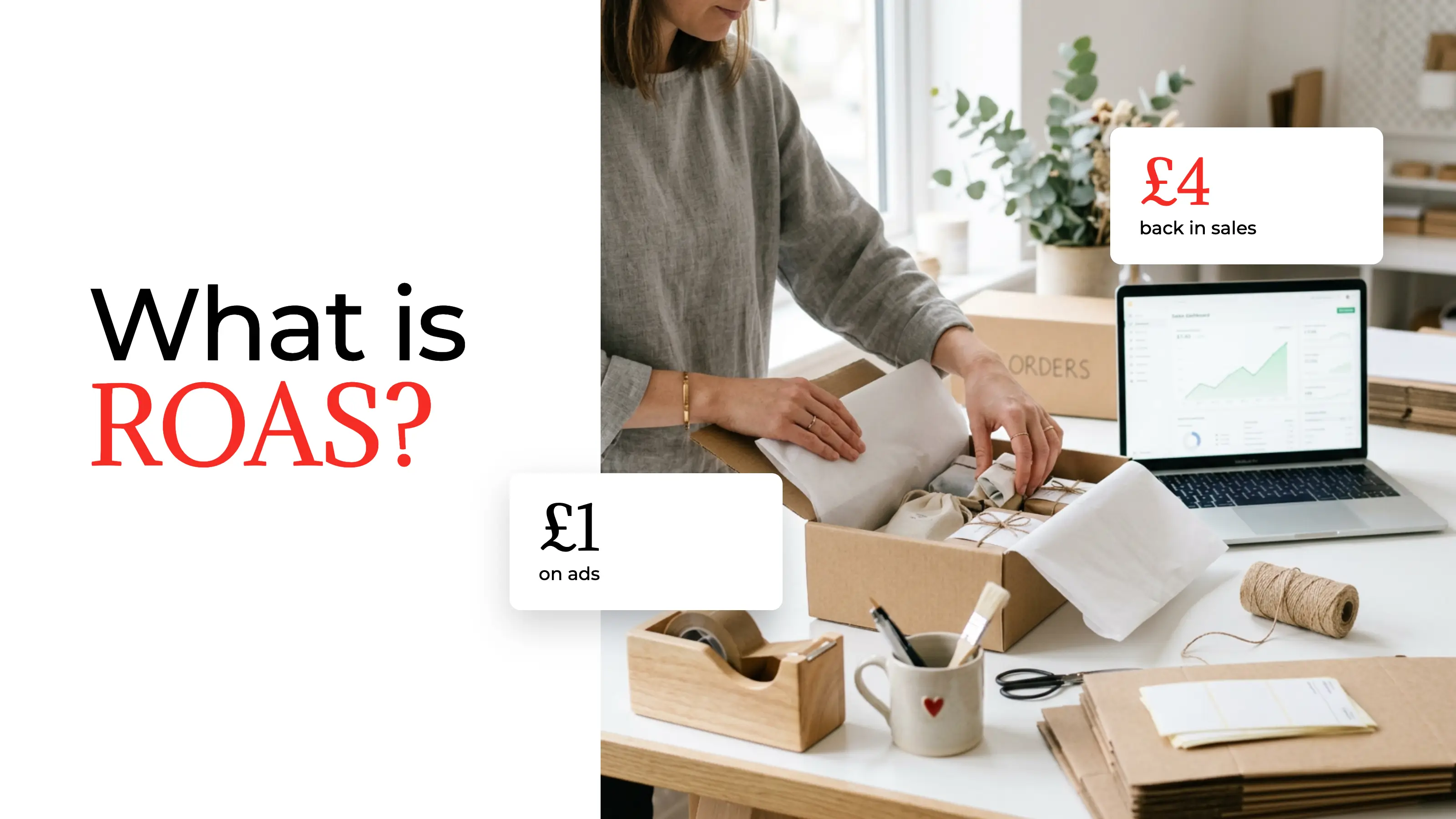
Email might not be the newest marketing channel, but it's still one of the hardest working. Research from Litmus found that 35% of companies get between £10 and £36 back for every £1 they spend on email, and another 35% get even more. Not bad for a channel you fully own.
The catch? Getting results from email is harder than it used to be. Gmail, Yahoo and Microsoft now have strict rules for senders, inboxes are busier than ever, and readers are quick to hit unsubscribe.
The good news is that a few simple habits make a big difference. In this guide, we've pulled together the email marketing tips and email marketing best practices that matter most right now, so you can build an email marketing strategy that lands in the inbox, gets clicked and drives sales.
Build a Healthy Email List
Every successful email marketing strategy starts with the list. A small list of people who want to hear from you will beat a big list of strangers every time.
Grow Your List Organically
Never buy email lists. The people on them haven't agreed to hear from you, so emailing them usually breaks UK data protection rules. Bought lists are also full of spam traps that damage your sender reputation. Instead, add sign-up forms to your website, checkout and social profiles. Double opt-in, where subscribers confirm their address, isn't required in the UK, but it keeps your list clean and proves consent.
Give People a Reason to Sign Up
"Join our newsletter" rarely works on its own. Offer something useful in return, such as a discount code, guide or checklist. Pop-ups work well when they're timed right, for example when someone is about to leave the page. Ask one or two quick questions at sign-up too, like interests or birthday, so you can personalise your emails later.
Get the Technical Foundations Right
The best email in the world won't help if it lands in spam. These email marketing best practices keep you in the inbox.
Use a Proper Platform and Your Own Domain
Send from a professional platform like Klaviyo, Mailchimp or Brevo, using your own domain rather than a free Gmail address. Then set up SPF, DKIM and DMARC. These records prove to inboxes that your emails really come from you.
Follow the Inbox Providers' Rules
Gmail, Yahoo and Microsoft now have rules for anyone sending 5,000+ emails a day. Between them, they expect an authenticated domain, one-click unsubscribe and very low spam complaints (Google recommends under 0.1%). Since November 2025, Gmail has been permanently rejecting emails that don't comply. Even if you send less, follow the same rules.
Keep It Legal
In the UK, you generally need consent before emailing individuals. The main exception is the "soft opt-in", which lets you email existing customers about similar products if you've offered an easy opt-out every time. Since February 2026, the maximum fine for breaking these rules has risen to £17.5 million or 4% of global turnover, whichever is higher.
Plan Your Email Marketing Strategy
A clear plan stops your emails feeling random.
Give Every Email One Clear Goal
Before you write anything, decide what each email is for. Is it welcoming new subscribers, driving sales or bringing back lapsed customers? One goal per email keeps your message focused. A simple content calendar with dates, audiences and offers will stop last-minute panics.
Find Your Ideal Frequency and Send Time
There's no magic number. Some experts say weekly, others twice a month, and the right answer depends on your audience. Start with a schedule you can stick to, then keep an eye on unsubscribes and spam complaints. The same goes for send times: test a few options with your own list rather than trusting generic "best time to send" studies.
Segment and Personalise Your Emails
Sending the same email to everyone is one of the quickest ways to lose subscribers. Instead, split your list into segments based on location, purchase history or how engaged people are. A first-time buyer and a loyal VIP shouldn't get the same email.
Then go beyond "Hi [First Name]". Good personalisation uses what you know about each person, such as:
● Products they've browsed or left in their basket
● What they've bought before
● Their birthday or sign-up anniversary
● The interests they shared when they signed up
AI tools in your email platform can help here too, but always check AI-written content sounds like your brand.
Email Marketing Tips for Subject Lines and Copy
Write Subject Lines People Want to Open
Keep subject lines short and specific. Around 40 to 50 characters works well on mobile. Put the most important words first and make sure the email delivers on the promise. Use your preview text as a second subject line, rather than letting it default to "View in browser". Apple Mail can now show an AI summary instead of your preview text, so get your key message into the first couple of lines of the email too.
Keep Your Copy Short, Friendly and Focused
Write like you're talking to one person. Use "you", keep sentences short and skip the jargon. Break text up with headings and bullet points so it's easy to skim. Stick to one main call to action (CTA), such as "Shop the sale", and make it a clear button.
Design Emails That Work on Every Screen
Lots of people read emails on their phone, so design for mobile first. Use a single column, readable text (14 to 16px) and buttons big enough to tap with a thumb. Then add these checks to your routine:
● Dark mode: Make sure your logo and images still look good on a dark background. ● Accessibility: Add alt text to images, use strong colour contrast and never put important text inside an image.
● File size: Gmail cuts off emails over 102KB, which can hide your unsubscribe link, so keep your code lean.
● Image balance: Mix images with live text, as image-only emails are more likely to land in spam.
Automate Your Most Important Emails
Of all the email marketing tips in this guide, this one probably saves the most time. Automated emails are triggered by what people do, so they arrive at exactly the right moment. Start with these four:
1. Welcome series: Send the first email within minutes of someone signing up, while they're still interested. Follow up with your brand story and bestsellers. 2. Abandoned basket: Remind shoppers about items left in their basket. A common pattern is one email after an hour, another after a day and a final nudge a couple of days later.
3. Post-purchase: Share tips on using the product, then ask for a review once it's arrived.
4. Win-back: Tempt back customers who haven't ordered in a while with a personal message or offer.
Check them every few months to keep links and offers up to date.
Test, Measure and Keep Your List Clean
Look Beyond Open Rates
Apple's Mail Privacy Protection can make open rates look higher than they really are, so don't rely on them alone. Focus on clicks, conversions, revenue and unsubscribes instead.
A/B Test One Thing at a Time
Test a single element, such as the subject line, CTA or send time, so you know exactly what made the difference.
Clean Your List Regularly
Remove hard bounces straight away. For subscribers who haven't clicked in a few months, send a short re-engagement series, and remove anyone who still doesn't respond. A smaller, engaged list is better for your deliverability and can cut your platform costs too.
Put These Email Marketing Tips Into Action
In conclusion, the email marketing tips that drive the best results aren't complicated. Build your list the right way, set up your domain so emails reach the inbox and stay on the right side of UK law. Give every email one goal, personalise it and make sure it works on any screen. Then automate your key emails, track clicks and revenue rather than opens, and keep your list clean. Follow these email marketing best practices consistently and your email marketing strategy will keep paying off.
Want help putting it all into practice? The team at BAW Creative can review your current emails, set up your automations and build a strategy that grows your sales. Get in touch today to find out how we can help.