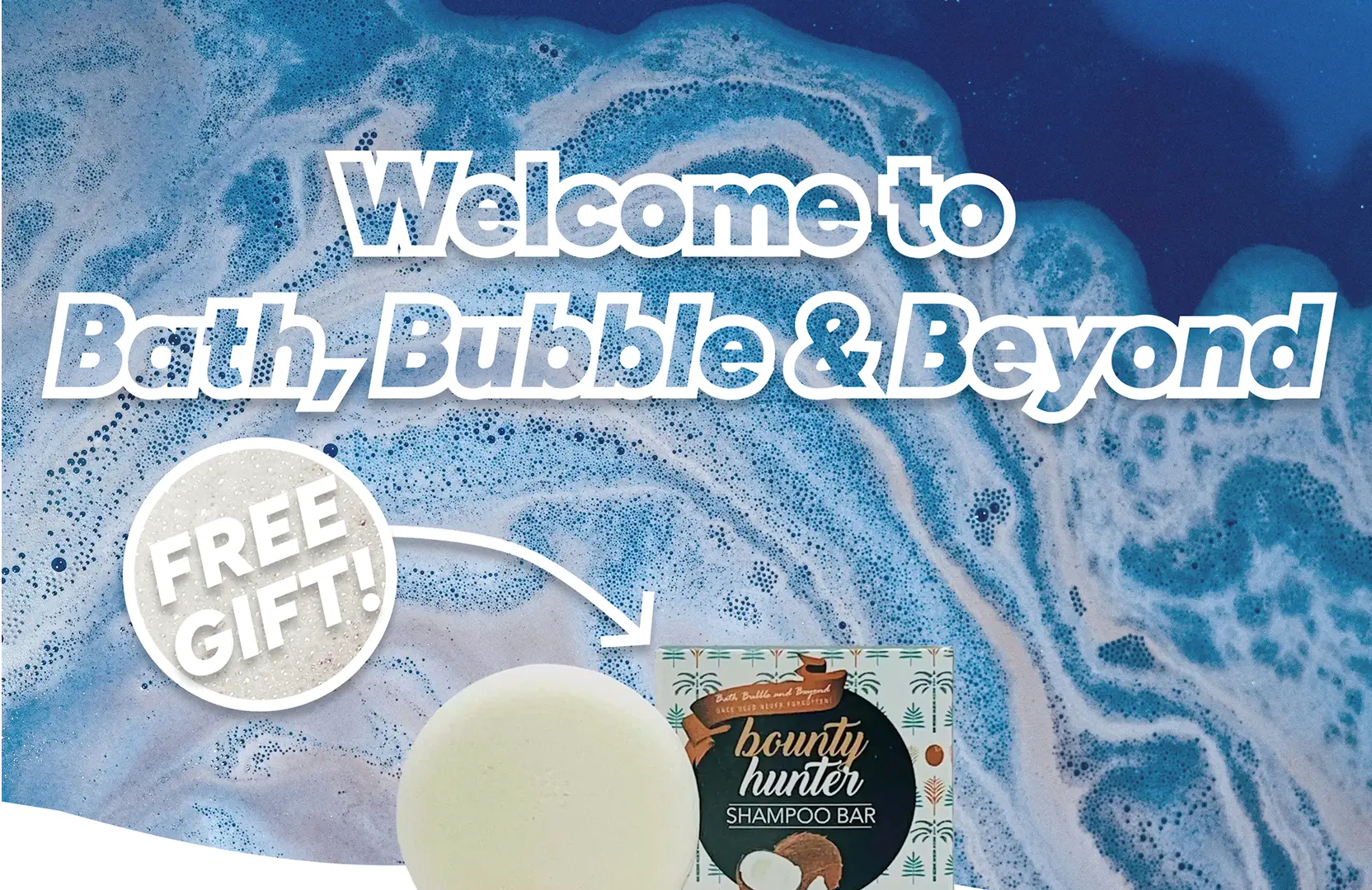
Someone has just signed up to your email list. That’s the point where their interest in your brand is likely to be at its highest, so your first email has a lot of work to do.
Welcome emails achieve an average open rate of 83.63% and a click-through rate of 16.6%, making them one of the strongest-performing email types for engagement.
That means a welcome email shouldn’t just say, “Thanks for signing up” and leave it there. The best welcome email examples give people a reason to engage, introduce the value of the brand and make the next step clear.
And while one email can do a lot, a well-planned welcome email sequence gives you more chances to build trust and turn that initial interest into a sale.
What is a Welcome Email?
A welcome email is an automated email sent when someone joins your mailing list, creates an account, makes a purchase or takes another action that starts a relationship with your brand.
Think of it as your digital first impression. Someone has actively shown an interest in your business, so a generic “Welcome to our mailing list” isn’t making the most of that attention.
A good welcome email should acknowledge why someone signed up, give them anything they were promised and show them what to do next.
Welcome Email vs Welcome Email Sequence
A welcome email is one individual email, while a welcome email sequence is a series of automated emails sent over a set period after someone subscribes.
For example, your first email might deliver a 10% discount code. The next could introduce the brand, followed by another showcasing bestselling products. A later email could share customer reviews before a final reminder encourages them to use their discount.
This means you don’t have to squeeze everything into one email. Each message can have its own purpose while working towards the same goal.
Why Are Welcome Emails Important?
When someone first joins your list, your brand is still fresh in their mind. They might have been browsing your products minutes ago, they may have signed up for a discount or they could simply want to learn more.
Either way, they’ve actively chosen to hear from you. Your welcome emails are your chance to make something of that interest.
If you promised an incentive, give it to them straight away. Some of the strongest welcome email examples put the value promised at sign-up front and centre rather than making subscribers search for it.
Your emails can then start answering the next question: why should they keep hearing from you? Tell subscribers about the useful advice, product launches, offers or other content they can expect.
Most importantly, your welcome email sequence can start moving people towards a purchase. That doesn’t mean every message needs a hard sell. Product recommendations, useful content, your brand story and customer reviews can all help someone feel more confident about buying.
What Should a Welcome Email Include?
There isn’t one perfect template because the reason someone signs up will differ from business to business. Someone joining a retailer’s list for 10% off needs a different email from someone creating an account for a software platform.
Still, good welcome email examples tend to follow similar principles.
Start with what brought someone to your list. If it was a discount, show the code clearly. If it was a free resource, link to it. If they created an account, tell them how to get started. Don’t make someone search for what you promised.
Then explain why your business is worth their attention. Focus on what your product or service can do for the customer rather than filling the email with information about the company.
Finally, give them a clear next step. That might be shopping your bestsellers, booking a consultation or finishing their account setup. Other links can still appear, but there should be one obvious priority.
How to Write a Welcome Email that Converts
Start With Why They Signed Up
The beginning of the email should feel immediately relevant.
Simple copy such as “Here’s your 10% off”, “Your free guide is ready” or “You’re in. Here’s what happens next” works because there’s no confusion about why the email has arrived.
Once you’ve delivered what they came for, you can introduce more about the business. <H3> Show Your Value Quickly
Successful welcome email examples make it easy to understand what the brand can do for the customer.
If you sell a product, show the problem it solves or the benefit it provides. If you offer a service, focus on the result you help clients achieve. For software or subscriptions, help users get to the point where they can see why the product is useful.
You don’t need paragraphs of sales copy. You just need to answer, “Why should I care?” <H3> Give Each Email One Job
Your first welcome email doesn’t need your company history, every product category, eight reviews and links to every social account.
That’s one of the main reasons to build a welcome email sequence. One email can introduce the brand, another can help subscribers choose a product and another can answer common questions or show reviews.
Giving each email a main purpose makes the message easier to follow and gives your CTA more space to work.
6 Welcome Email Examples to Try
1. The Discount Welcome Email
If someone gave you their email address for 10% off, make the offer the focus. Show the code, explain how to use it and give them a clear route to shop.
2. The Brand Story Welcome Email
Use part of your welcome email sequence to explain why your business exists, what you do differently and why that matters to the customer.
This shouldn’t be a full company history. Pick the parts of your story that give people another reason to choose you.
3. The Product Discovery Welcome Email
Too much choice can make buying harder. Instead of sending new subscribers straight to a huge product catalogue, show your bestsellers, key categories or products for different needs.
Think of it as helping someone who has walked into your shop for the first time and doesn’t know where to start.
4. The Educational Welcome Email
You don’t always need to sell straight away. Teaching someone something useful can show your knowledge and build trust before you ask for a purchase.
The content should naturally relate to what you sell. A skincare brand might help someone choose products for their skin type, while an accountant could share common financial mistakes businesses make.
5. The Onboarding Welcome Email
For software, memberships and services, help people actually use what they’ve signed up for.
Show them where to start, introduce an important feature or point them towards a useful resource. The sooner someone understands how the product helps them, the more reason they have to keep using it.
6. The Social Proof Welcome Email
Sometimes subscribers understand what you sell but need reassurance before buying.
Reviews, testimonials, case studies and customer stories can help answer those doubts. Rather than telling people how good you are, let existing customers do some of the talking.
Welcome Email Subject Line Best Practices Your email might be brilliant, but someone still needs to open it.
Clear subject lines often work better than trying too hard to be clever. If a discount is inside, tell them. If their guide is ready, say so. Curiosity can work, but the subject line should still give someone a reason to care.
Keep length in mind too, particularly for mobile inboxes. Put the useful information towards the beginning and avoid misleading people simply to get an open.
Some welcome email examples for subject lines include “Your 10% off is ready”, “Welcome! Here’s where to start”, “Your free guide is inside”, “New here? Meet our bestsellers” and “A little something for joining us…”
There’s no subject line guaranteed to work for every audience, so test different approaches and use your own results to see what people respond to.
Example 5-Email Welcome Email Sequence A simple welcome email sequence could look like this:
Email 1: Welcome and Deliver the Promise
Send this straight away. Give the subscriber whatever they signed up for and provide a clear next step.
Email 2: Why Choose You?
Introduce the story behind the business and what makes your products or service different. Keep the focus on why those differences matter to the customer.
Email 3: Help Them Choose
Show bestsellers, key services or useful educational content that helps make the buying decision easier.
Email 4: Build Trust
Bring in customer reviews, testimonials, case studies or results. Use this email to address some of the doubts that might be stopping someone from buying.
Email 5: Encourage the Purchase
Bring the sequence together with a clear reason to act. If an introductory offer has a genuine expiry date, remind them before it ends.
Welcome Email Mistakes to Avoid
One of the biggest mistakes is making the entire email about your business. Your story matters, but customers are usually more interested in what your business can do for them.
Too many calls to action can cause similar problems. Asking someone to shop, read your story, visit your blog, follow your socials and watch a video all at once makes it harder to understand what they should actually do next.
Another mistake is sending one welcome email and then disappearing. A welcome email sequence works because each message follows naturally from the last, building the relationship rather than expecting one email to make the sale.
How to Measure Your Welcome Email Sequence
Open rates can give you an idea of how people respond to your subject lines, while click through rates show whether the email is encouraging them to take action.
If sales are the goal, pay close attention to conversion rate and revenue per recipient too. Look at which emails lead to purchases, which links people click and where engagement starts to drop.
Your welcome email sequence shouldn’t be something you build once and forget about. Use what subscribers actually do to decide what needs changing.
At BAW Creative, we see email as more than something that simply looks good in an inbox. Strategy, copy, design and automation should work together to move customers towards action.
Make Your Welcome Emails Work Harder
Welcome emails are your chance to make the most of a subscriber’s interest while your brand is still fresh in their mind. Rather than simply saying hello, give people what they signed up for, show them why they should choose you and make their next step clear.
A well-planned welcome email sequence can then continue the conversation with useful content, product recommendations, social proof and timely reminders. Keep each email focused, pay attention to what your subscribers respond to and use that data to keep improving your approach.
Want to turn more new subscribers into customers? Get in touch with BAW Creative and let’s build welcome emails that work harder for your business.
FAQs About Welcome Emails
What is a good welcome email?
The best welcome email examples are relevant to why someone signed up. Give them what they were promised, make your value clear and provide an obvious next step.
What should I write in a welcome email?
Start with the reason the subscriber joined your list. Deliver any promised offer or resource, explain what they can expect from your brand and give them somewhere useful to go next.
How soon should you send a welcome email?
Your first welcome email should usually be sent straight after someone signs up. If they’re waiting for a discount or resource, there’s little reason to make them wait.
What is a welcome email sequence?
A welcome email sequence is a series of automated emails sent after someone joins your list. The emails can gradually introduce your brand, products, useful content and reasons to buy.
How many emails should be in a welcome email sequence?
Three to five emails is a sensible starting point for many businesses, but there’s no perfect number. Base the length on what your subscribers need to know before taking the next step.
Should a welcome email include a discount?
It can, but it doesn’t have to. Useful advice, free resources, product recommendations and subscriber perks can all give people value without reducing your price.